A possible exposure to HIV — through unprotected sex, a needle-stick injury, shared injecting equipment, or another route — is stressful, and the days that follow matter medically. Post-exposure prophylaxis (PEP) is a short course of antiretroviral medication that can lower the risk of HIV infection after a recent exposure, when it is started promptly and prescribed following a medical risk assessment. I consult patients requesting PEP in Warsaw, in English, without judgment about the circumstances of the exposure.
What PEP is for
PEP is intended for people who have had a specific, recent exposure to HIV and have not previously tested positive for the virus. It is not a substitute for regular prevention methods, and it is not appropriate for every situation — a medical assessment is needed to establish whether the exposure carries a meaningful risk and whether PEP is indicated. That assessment looks at the type of exposure, the source where this is known, and the time that has passed since it happened.
Why the time window matters
Timing is the single most important factor in whether PEP can help. The well-established clinical guideline is to start PEP as soon as possible after a possible exposure — ideally within hours — and no later than 72 hours afterwards. Beyond that window, PEP is generally no longer recommended, which is why an urgent consultation, rather than a routine scheduled appointment, is the right first step. If you think you may have been exposed, contact the clinic without delay so that assessment, and a prescription if appropriate, are not held up.
What an urgent consultation involves
During the consultation I review the exposure history, assess the level of risk, discuss PEP with you, and arrange baseline blood tests. If PEP is appropriate, a prescription is issued on site. Because an exposure can also carry a risk for other bloodborne infections, the assessment may include a discussion of hepatitis B and hepatitis C testing alongside HIV, a topic covered in more detail on the hepatitis C page. General infectious disease consultations, including situations that do not require the same urgency, are described on the infectious disease consultation page.
Confidentiality
Exposure to HIV is often linked to sensitive personal circumstances, and the consultation is confidential. You can describe what happened openly and without judgment — the purpose of the conversation is a clear, accurate risk assessment, not an evaluation of your choices.
Follow-up care
Patients who start PEP are followed up with further blood tests, arranged individually according to the exposure and the medication prescribed. Follow-up also covers how the medication is tolerated and, once the course is completed, confirmatory HIV testing at the interval your treating physician recommends.
For English-speaking patients in Warsaw
Consultations are available in English, in person and online, with English-speaking reception staff. No Polish PESEL number is required — a passport or residence card is sufficient for registration. The clinic, ZnajomaKlinika, is in Warsaw's Bielany district, near Słodowiec metro station, on metro line M1. Payment is accepted by card, bank transfer, or BLIK, at the same prices as for Polish patients. Prescriptions are issued on site.
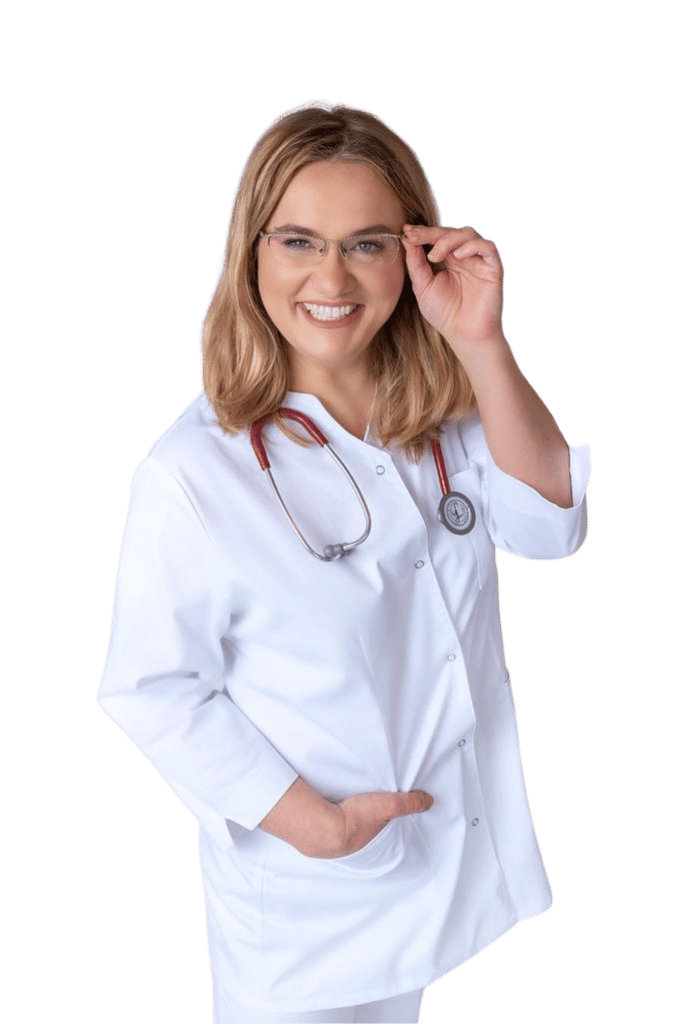
I am Dr Karolina Pyziak-Kowalska, a specialist in infectious diseases with more than 20 years of clinical experience, and I also practise hepatology and travel medicine. More on my background is on the about page.
Appointments
If you believe you may have been exposed to HIV, call the clinic as soon as possible: +48 22 273 48 22 or +48 608 030 750 (English-speaking reception), or write to kontakt@doktorpyziak.pl. Office hours are Monday to Thursday 14:00–20:00, Friday 9:15–10:15 (online consultations only) and Saturday 10:00–15:30; urgent requests outside these hours can be discussed by phone. Book an appointment.